By Agnes Grumslys · CA Licensed Cosmetologist #A330955 · Certified in Kobido Facial Artistry · Agnes Beauty & Wellness, Huntington Beach
Most facial treatments you'll find today are new — developed in the last decade, built around a device, or invented to follow a trend. Kobido is none of those things. It is over 540 years old, built on 48 core movements passed down master to apprentice since 1472, and for most of its history it was reserved exclusively for Japanese royalty — Empresses and Geishas.
I didn't learn Kobido from a weekend certification course. I traveled back to my own homeland of Lithuania to train under experienced European educators who had themselves preserved this tradition with extraordinary care. I want to tell you what that journey taught me, and what Kobido actually is beneath the beautiful name.
Going Home to Learn It
Going back to Lithuania to learn Kobido was deeply meaningful for me. I wanted to learn from experienced European educators and deepen my understanding of this traditional technique. There was something genuinely special about combining my personal connection to Lithuania with growing professionally in a craft this rooted in history.
The history and tradition made me respect the technique even more once I understood it fully. These movements were created with purpose and passed down through generations — so I approached learning it with patience and respect, not as a checklist to complete.
What Kobido Actually Is
Kobido translates roughly to "ancient way of beauty." It is an art of rhythmic lifting and stimulation using beautiful, precise movements — a complete system of 48 distinct techniques, originally developed and protected within Japanese imperial circles for centuries before it was ever shared more broadly.
The Rhythm That Makes Kobido Different
What makes Kobido different from almost any other facial massage technique is its rhythm. It is famous for its speed and pattern — often described as a "dance of the hands." This isn't a poetic exaggeration. It performs almost like choreography across the face.
Performing it is both physical and meditative at the same time. The rhythm becomes almost like a dance with the hands, but at the same time I'm constantly paying attention to the client's tissues, tension, and response. Every movement looks rhythmic from the outside, but every movement has intention behind it.
The Philosophy Behind the Movements
Kobido isn't built around forcing change onto the face. It's built around stimulation — encouraging the body's own circulation, lymphatic flow, and muscle tone to respond naturally to precise, rhythmic touch.
I assess the whole face before I begin a session — symmetry, tension, jaw, posture, skin condition, and the specific places where someone holds stress. The session is never exactly the same twice, because every face has its own story. Even within a 540-year-old technique with defined movements, the actual application has to respond to the person in front of me.
What a Kobido Session Feels Like
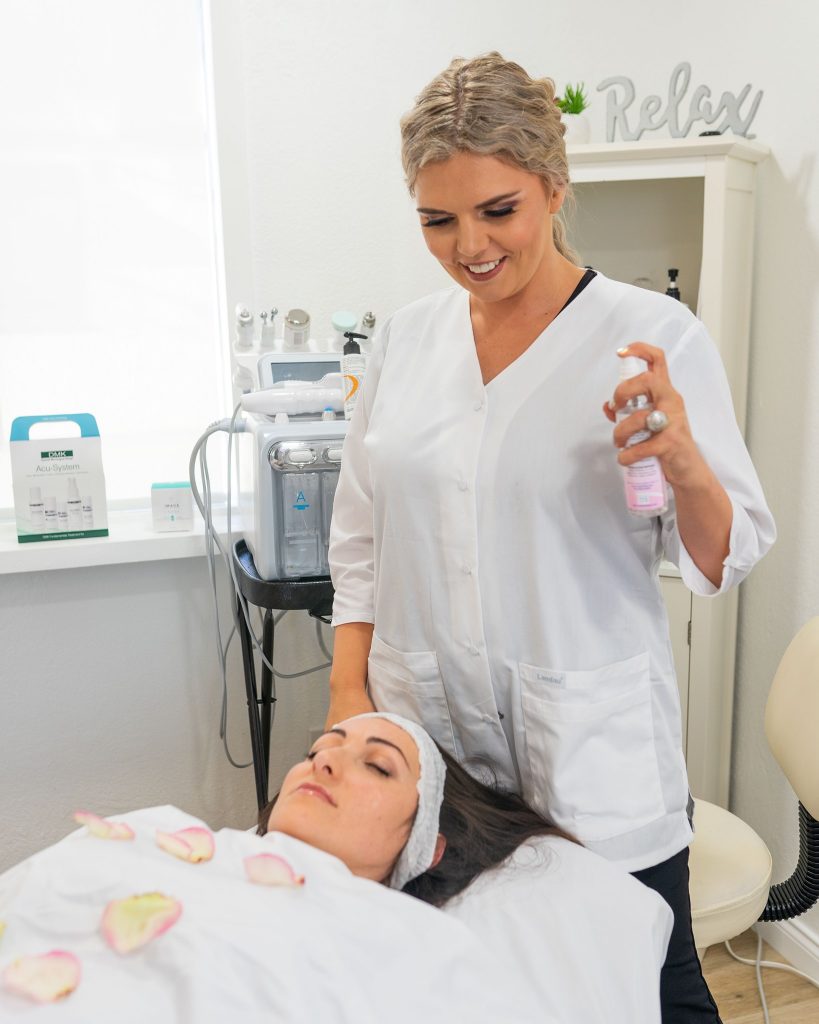
Unlike treatments that work through pressure or controlled injury, Kobido works through rhythm, tapping, and lifting strokes performed at a specific tempo. The percussive tapping movements and the famous "dance of the hands" are visually striking and feel distinct from any spa massage you've likely experienced before.
The Relaxation That Surprises Most Clients
Many clients describe Kobido as deeply relaxing despite the energetic pace of the movements — there's a meditative quality to the rhythm that settles the nervous system even while the technique is actively stimulating circulation and lymphatic flow across the face.
What Clients Notice Afterward
Many clients notice their face looks brighter, more lifted, and refreshed immediately after a session. But one of my favorite reactions isn't about appearance at all — it's when someone tells me they feel lighter and deeply relaxed. That combination of visible glow and genuine nervous system release is what Kobido was designed to create, even five centuries ago.
Who Kobido Is Right For
Kobido tends to be the right starting point for clients who want a gentler, more rhythmic experience focused on glow, circulation, and relaxation rather than intensive structural work. It's an excellent introduction to facial massage techniques beyond a standard facial, and it pairs beautifully as a regular maintenance treatment.
When to Consider Hadado Instead
For clients dealing with more significant structural concerns — deeper sagging, chronic jaw tension, or fascia restriction — I often guide them toward Hadado, Kobido's modern evolution, which builds on the same foundation with deeper anatomical and structural work. Many clients benefit from experiencing both over time, and I always customize based on what a client's face and goals actually need rather than defaulting to one technique.
Setting Realistic Expectations
One session can create a beautiful temporary change — brighter skin, a lifted, refreshed appearance, and real relaxation. But consistency is what trains the tissues and supports longer-lasting results. Like anything in the body, repetition matters. I never want a client expecting a single visit to permanently change their face — that was never what Kobido was designed to promise, even in its original royal courts.
Why This Technique Means So Much to Me
I believe growing up closer to nature in Lithuania gave me an appreciation for balance, for slowing down, and for caring for the whole person rather than just one area of the body. Kobido fits naturally with how I approach beauty as a whole. I believe true beauty comes from connection — skill, knowledge, relaxation, and care all working together.
This isn't just a cosmetic technique to me. It's a centuries-old practice I was fortunate enough to learn in the country where part of my own story began, and I carry that history into every session I perform.
Agnes Grumslys is a California Licensed Cosmetologist (License #A330955) certified in Kobido Japanese Facial Artistry through Spa Pasaulis in Lithuania under Vida Jankuniene. She also holds certification in Hadado Face Sculpting and Advanced Buccal Intraoral Face Lifting. Book your Kobido session here →
Frequently Asked Questions About Kobido Facial Massage
What is Kobido facial massage?
Kobido is a traditional Japanese facial massage technique over 540 years old, built on 48 core movements historically reserved for Japanese royalty. It uses rhythmic, precise lifting and tapping strokes to stimulate circulation, lymphatic flow, and natural muscle tone in the face.
Is Kobido the same as Hadado?
No. Kobido is the original 540-year-old technique focused on rhythmic stimulation and lifting. Hadado is its modern evolution, adding deeper anatomical and structural work on top of Kobido's foundation. Agnes is certified in both and can help determine which is right for your specific goals.
Does Kobido hurt?
No. Kobido is generally gentler than structural techniques like Hadado or buccal massage. It works through rhythm and stimulation rather than deep structural pressure, and most clients find it relaxing despite its energetic pace.
How many sessions will I need?
A single session produces a visible, temporary glow and lift. Lasting results come from consistency — regular sessions train the tissue over time, similar to how the body responds to any repeated physical practice.
Who is Kobido best for?
Kobido suits clients looking for a gentler, rhythmic facial experience focused on circulation, glow, and relaxation. For deeper structural concerns like significant sagging or jaw tension, Hadado or buccal massage may be more appropriate — Agnes can help determine the right fit at your consultation.
Can Kobido be combined with other treatments?
Yes — Kobido pairs naturally with lymphatic drainage, the Signature Lymphatic Lifting Facial, and as part of a broader facial sculpting plan that includes Hadado or buccal massage. Agnes often builds custom sessions that move between modalities based on what a client's face needs that day.